The Best Camera Phones of 2026: Our Top Photography Picks
From the massive 1-inch sensors of the Xiaomi 17 Ultra to the unmatched video prowess of the iPhone 17 Pro, we rank the best smartphones for serious photographers in 2026. Discover which devices offer the most control, the best optics, and the most reliable performance for your creative workflow.
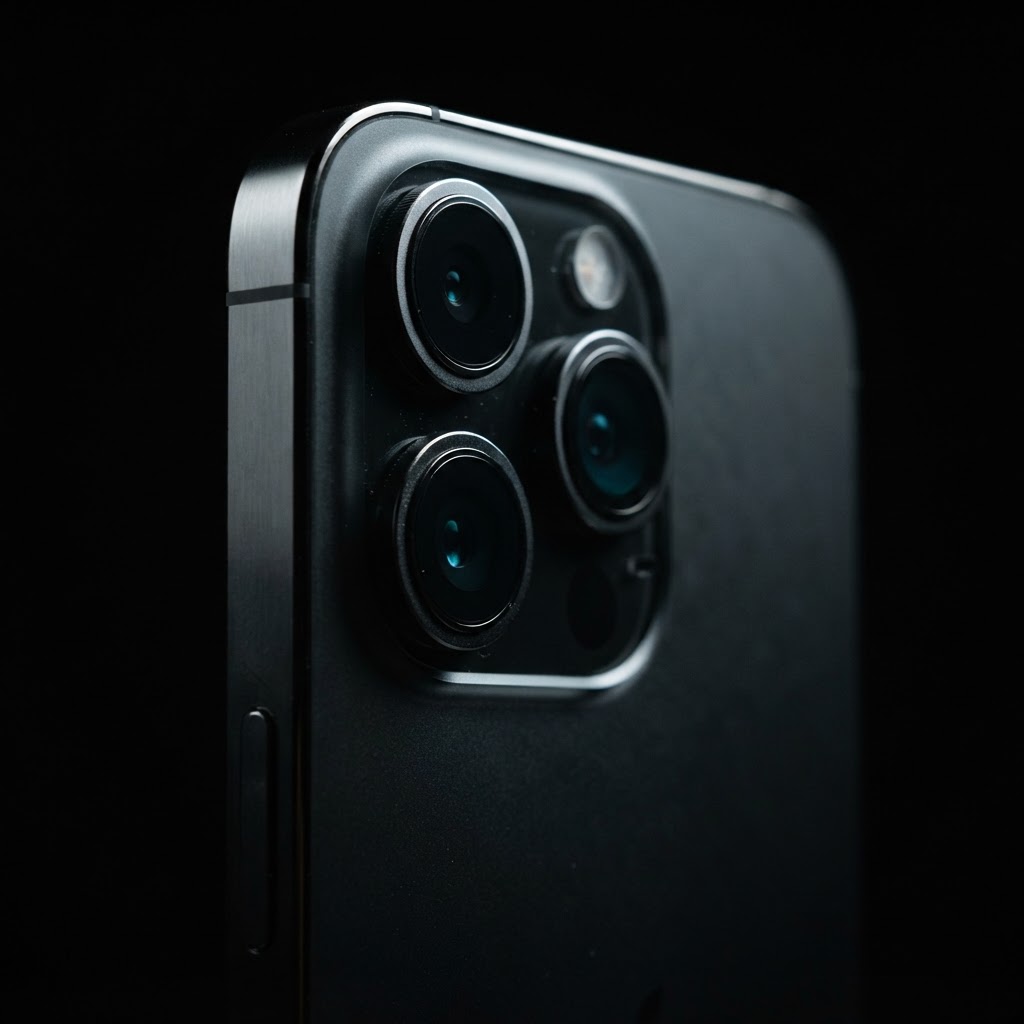
The State of Mobile Photography in 2026
As we move through 2026, the gap between dedicated mirrorless cameras and flagship smartphones continues to narrow, albeit through different philosophies. While some manufacturers are chasing computational perfection, others are finally embracing larger physical sensors and more versatile optical systems. For the enthusiast, the choice is no longer just about software processing; it is about hardware capability, focal length flexibility, and raw image quality.
1. Xiaomi 17 Ultra: The Hardware King
If you prioritize raw optical performance, the Xiaomi 17 Ultra is currently the most ambitious device on the market. It features a massive 1-inch Light Fusion 1050L main sensor, which provides a natural depth of field and light-gathering capabilities that smaller sensors simply cannot match. While it remains an import-only device for many Western markets, its hardware spec sheet is unrivaled.
- Infocam Rating: 9.5/10
- Why it wins: The 1-inch sensor delivers superior dynamic range and low-light performance. It is the closest a phone has ever come to the "look" of a dedicated compact camera.
2. iPhone 17 Pro / Pro Max: The Video Benchmark
Apple continues to dominate the video space. The iPhone 17 Pro series remains the gold standard for mobile videography, offering industry-leading stabilization, color accuracy, and a seamless workflow for creators. With the introduction of a higher-resolution 4x telephoto lens, the system is more versatile than ever for portraiture and street photography.
- Infocam Rating: 9.2/10
- Why it wins: Unmatched video sub-scores and consistent, reliable color science make this the go-to tool for content creators who need a "shoot and edit" solution that just works.
3. Samsung Galaxy S26 Ultra: The Versatile All-Rounder
Samsung’s latest flagship remains the most balanced choice for Android users. Its quad-camera array, headlined by a 200MP main sensor, offers incredible detail in daylight. The S26 Ultra excels in zoom photography, providing a reliable experience across a wide range of focal lengths, making it a Swiss Army knife for travel photographers.
- Infocam Rating: 9.0/10
- Why it wins: The sheer flexibility of the zoom range and the mature Pro-mode controls make it a powerhouse for those who want to manually adjust their settings.
4. Vivo X300 Pro: The Portrait Specialist
Vivo has carved out a niche for itself by focusing on portrait photography. The X300 Pro offers simulated focal lengths ranging from 24mm to 135mm, with adjustable bokeh that mimics professional glass from f/0.95 to f/16. It is a favorite among enthusiasts who value character and subject separation in their images.
- Infocam Rating: 8.8/10
- Why it wins: The portrait mode is arguably the most flexible on the market, offering a level of control over depth-of-field that feels genuinely professional.
5. Google Pixel 10 Pro: The Computational Leader
Google continues to lead in the realm of AI-assisted photography. While the hardware is more modest compared to the Xiaomi 17 Ultra, the computational engine behind the Pixel 10 Pro is second to none. Its ability to handle difficult lighting, HDR, and night photography is legendary, making it the best "point-and-shoot" experience for those who want perfect results without manual intervention.
- Infocam Rating: 8.7/10
- Why it wins: The "Camera Coach" and advanced AI processing make it the most intelligent camera phone for users who want to learn and improve their photography through software guidance.
Discussion
Text only · AI moderatedNO COMMENTS YET — BE THE FIRST TO SHARE AN OPINION.